
 Compassionate ways to create a safer, more manageable home while respecting your loved one’s independence.
You visit your aging parent’s home and notice that the hallways are getting crowded, the kitchen counters are covered, and closets are overflowing. You see potential safety hazards and want to help. But when you suggest clearing things out, the conversation quickly becomes uncomfortable.
Your parent may insist everything is fine, become defensive, or simply refuse to discuss it.
For many families, this is one of the most challenging parts of caring for an aging loved one. What seems like a practical housekeeping project can become an emotional conversation about independence, memories, and control.
At Silver Solutions, we’ve helped thousands of families navigate senior home transitions, and we’ve learned that conversations about clutter are rarely just about the belongings themselves. They’re often about memories, independence, and the desire to remain in control of one’s home and life.
That’s why the most successful approach begins with understanding, not organizing.
With patience, compassion, and a thoughtful plan, families can make meaningful progress toward a safer, more manageable home while preserving the relationships that matter most.
Understand Why Letting Go Can Be Difficult
 To you, a stack of magazines might be clutter. To your parent, it may represent years of interests, routines, or memories. A cabinet full of dishes may seem unnecessary, but those dishes could remind them of decades of family gatherings.
Belongings often carry meaning that isn’t immediately obvious.
For an older adult, being asked to get rid of possessions can also feel like being told they can no longer manage their own home. Even well-intentioned suggestions may raise concerns about losing independence or being pressured into a move.
Before making recommendations, try to understand what your loved one values about their home and belongings. Listening without judgment can make the entire process more collaborative.
Remember: The goal isn’t to convince your parent that they have too much stuff. It’s to help them feel comfortable, safe, and in control of their living environment.
Start With a Conversation, Not a Cleanup
 One of the easiest ways to create conflict is to arrive with boxes and a plan before your loved one has agreed that anything needs to change.
Instead, begin with questions about everyday comfort and routines.
These questions allow your parent to identify concerns and participate in finding solutions.
Avoid statements such as “You need to get rid of all this” or “You don’t use half these things.” Even when those observations seem reasonable, they can make someone feel criticized or overwhelmed.
A conversation about comfort and convenience is often more productive than a debate about clutter.
And remember, you don’t need to solve everything in one conversation. Sometimes the first step is simply getting your loved one comfortable talking about the possibilities.
Focus on Safety, Not How Much Someone Owns
 When helping an older adult who wants to remain at home, decluttering can be an important first step toward safer aging in place.
As we discuss in the Age Wise Guide, creating a safer home doesn’t necessarily require dramatic changes. Often, thoughtful adjustments to everyday living spaces can reduce risks while helping older adults remain comfortable and independent.
Rather than suggesting an entire room needs to be cleared, focus on practical improvements that make everyday activities easier.
For example:
These changes can provide immediate benefits without requiring your loved one to make difficult decisions about every possession.
Small improvements often create the confidence needed to consider larger changes later.
For additional guidance, explore Chapter 2 of the Age Wise Guide: Aging in Place: Living Safely and Comfortably at Home.
Silver Solutions also offers Senior Proofing Services to help families identify potential hazards and make practical improvements that support greater independence at home.
Give Your Loved One Control Over the Decisions
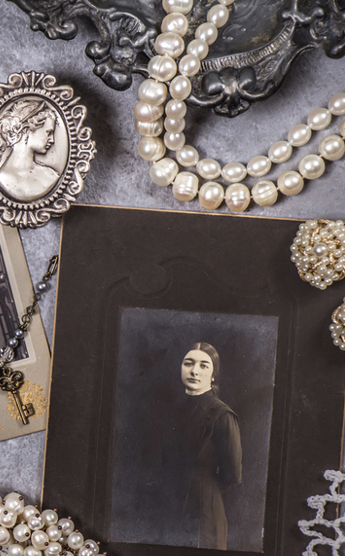 Few things create more resentment than discovering that someone has thrown away your belongings without permission.
Even when an item seems unimportant, the decision to keep or remove it should generally remain with its owner.
One of the important themes of our Age Wise Guide is that downsizing and decluttering aren’t simply about deciding what stays and what goes. They’re about honoring a lifetime of memories while making room for what comes next.
Work together to create simple categories:
Try not to rush decisions about photographs, letters, heirlooms, or other meaningful possessions. These deserve time and attention.
It’s also helpful to avoid bringing several family members into the same sorting session if they have different opinions about what should stay or go. Too many competing voices can make an already emotional experience even harder.
Whenever possible, let your loved one set the pace.
For more guidance on making these decisions, see Chapter 8 of the Age Wise Guide: Downsizing Done Right.
Start Small and Celebrate Progress
 Decluttering an entire home can feel overwhelming to anyone, especially someone who has lived there for decades.
Instead of tackling the whole house, begin with one manageable project.
It might be organizing a kitchen drawer, clearing a hallway, making a bathroom cabinet easier to use, or sorting a small collection of papers.
Choose an area where your parent can quickly experience the benefits of the changes.
Keep sessions short, and recognize when the process is becoming tiring or frustrating. It’s better to accomplish a little and maintain a positive relationship than to push through an entire afternoon that ends in conflict.
And don’t underestimate the importance of celebrating progress. A newly cleared walking path or a more accessible kitchen counter may seem like a small accomplishment, but it can make everyday life easier and help build confidence for the next step.
The goal is steady, meaningful progress, not a perfectly organized house by the end of the weekend.
Recognize When Clutter May Be Something More
 It’s important to recognize that not all clutter is the same.
For many older adults, accumulated belongings are simply the result of decades spent in the same home. But when possessions make rooms difficult to use, create serious safety concerns, or cause significant distress when removal is discussed, the situation may involve hoarding behaviors rather than ordinary clutter.
These circumstances require a particularly thoughtful approach.
Forcing a cleanup, discarding possessions without permission, or pressuring someone to make decisions before they’re ready can damage trust and make lasting progress more difficult.
Through the Age Wise podcast, we’ve explored the complexities of hoarding disorder with leading experts, including Dr. Gail Steketee and Dr. Michael Tompkins. Their work underscores why understanding the emotional and behavioral dimensions of excessive accumulation is so important.
When hoarding behaviors may be involved, the solution is rarely as simple as removing the clutter.
Families may benefit from professionals experienced in severe accumulation and, when appropriate, qualified mental health specialists who can help address the underlying challenges.
The objective should be to improve safety and daily functioning while treating the individual with compassion, dignity, and respect.
Know When to Bring in Compassionate Professional Support
 Sometimes family dynamics make decluttering particularly difficult. Adult children may feel responsible for their parent’s safety, while the parent feels that family members are taking over.
In these situations, involving an experienced professional can help change the conversation.
At Silver Solutions, our team helps families navigate these challenges as part of our broader senior home transitions services. Whether the goal is to make a longtime home safer and more comfortable, reduce unnecessary clutter, or prepare for a future move, we understand that every family’s circumstances are different.
Our Compassionate Senior Decluttering Services go well beyond simply removing unwanted items.
We help families:
For families who live far away, have limited time, or have struggled to make progress on their own, having a trusted professional partner can make a meaningful difference.
And because we understand that these transitions are about people, not just possessions, compassion and respect are central to everything we do.
A Safer Home Begins With Compassion
 Helping an aging parent declutter isn’t about creating a perfectly organized home. It’s about making everyday life safer, easier, and more comfortable while respecting the memories, choices, and independence of someone you love.
You may not agree about every possession. It may take several conversations before your loved one is ready to make changes. And that’s okay.
The most important thing is to keep the conversation going, preserve trust, and celebrate progress—however small.
More Guidance for Your Family
For more practical advice on aging in place, home safety, downsizing, and navigating the challenges of caring for an aging loved one, download our free Age Wise Guide.
Created from years of real-world experience helping thousands of families and hundreds of hours of original expert interviews through the Age Wise podcast, the guide offers compassionate, practical insights to help families make informed decisions.
Download Your Free Age Wise Guide
When You Need Additional Support, We’re Here to Help
From making a home safer for aging in place to compassionate decluttering, downsizing, relocation, and home emptying, Silver Solutions helps families navigate senior home transitions with confidence and care.
Contact Silver Solutions to discuss how we can help your family take the next step.