
What every family caregiver needs to know about in-home care—types, costs, pitfalls, and how to find the best fit for your loved one.
For families committed to helping an aging loved one remain at home, professional in-home care often becomes an essential part of the support system. But for families new to this world, the terminology can be confusing and the options overwhelming. This chapter cuts through the complexity—defining what’s available, why it matters, and how to choose wisely.
Types of Home Health Agencies
Terms like “home health,” “home care,” “private duty,” and “skilled nursing” are often used interchangeably—but they describe meaningfully different services with different staffing, coverage, and costs. Here’s a clear breakdown:
| Non-Medical Personal Care (Primary Focus) |
|
|---|---|
| Skilled Care Agencies |
|
| Specialized Providers |
|
| Hospice & Palliative Care |
|
| Home Health Registry |
|
Why Home Care Is So Essential
Private-pay, non-medical home care is becoming increasingly important for families who want to help aging loved ones remain safe and comfortable at home. The data confirms what families are experiencing firsthand:
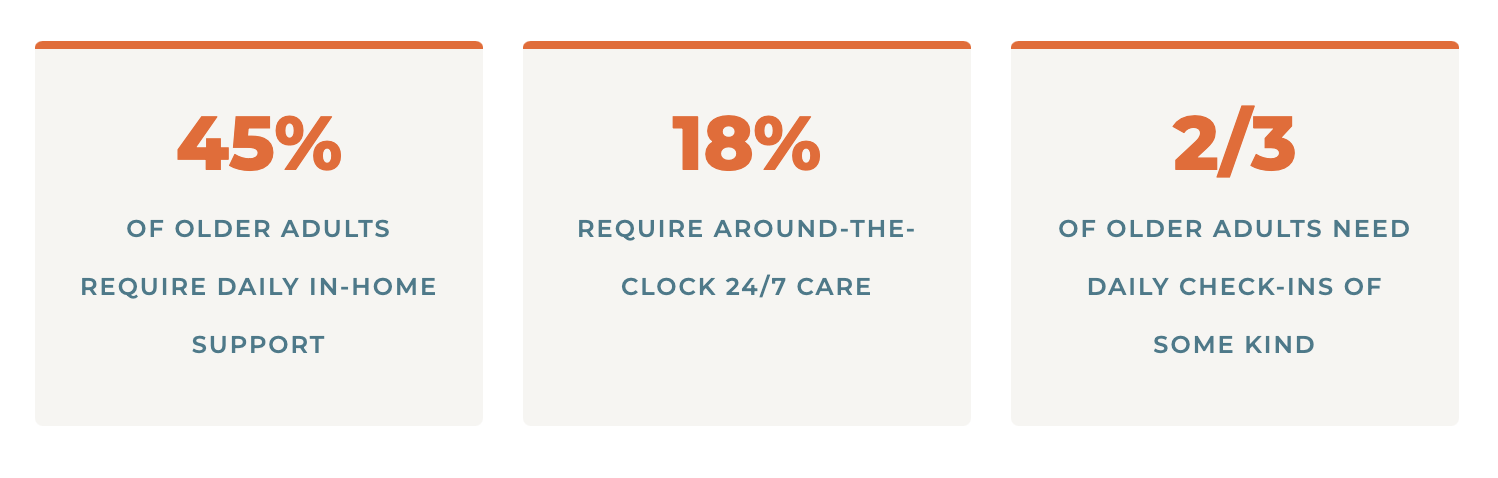
Source: Silver Solutions Family Caregiver Survey
Beyond the numbers, here’s why in-home care makes such a meaningful difference for families:

💡 Is your loved one’s home safe for in-home care? Before engaging a home care agency, it’s worth addressing any safety hazards. Our Safe Living Solutions FAQ and service page cover everything from decluttering to grab bar installation and safety assessments.
Having the Conversation & Overcoming Resistance
Despite its clear benefits, many families delay starting in-home care because it can feel to the older adult like a surrender of independence. If you notice warning signs—missed medications, unopened mail, an unkempt living space, or increasing confusion—it may be time to act, even if your loved one resists. Here’s how to approach it:
Conversation Tips—Strategies That Work
|
“Early planning can extend an older adult’s ability to remain at home. Families who wait for a severe fall or hospitalization often scramble for any available provider rather than finding the best fit.”
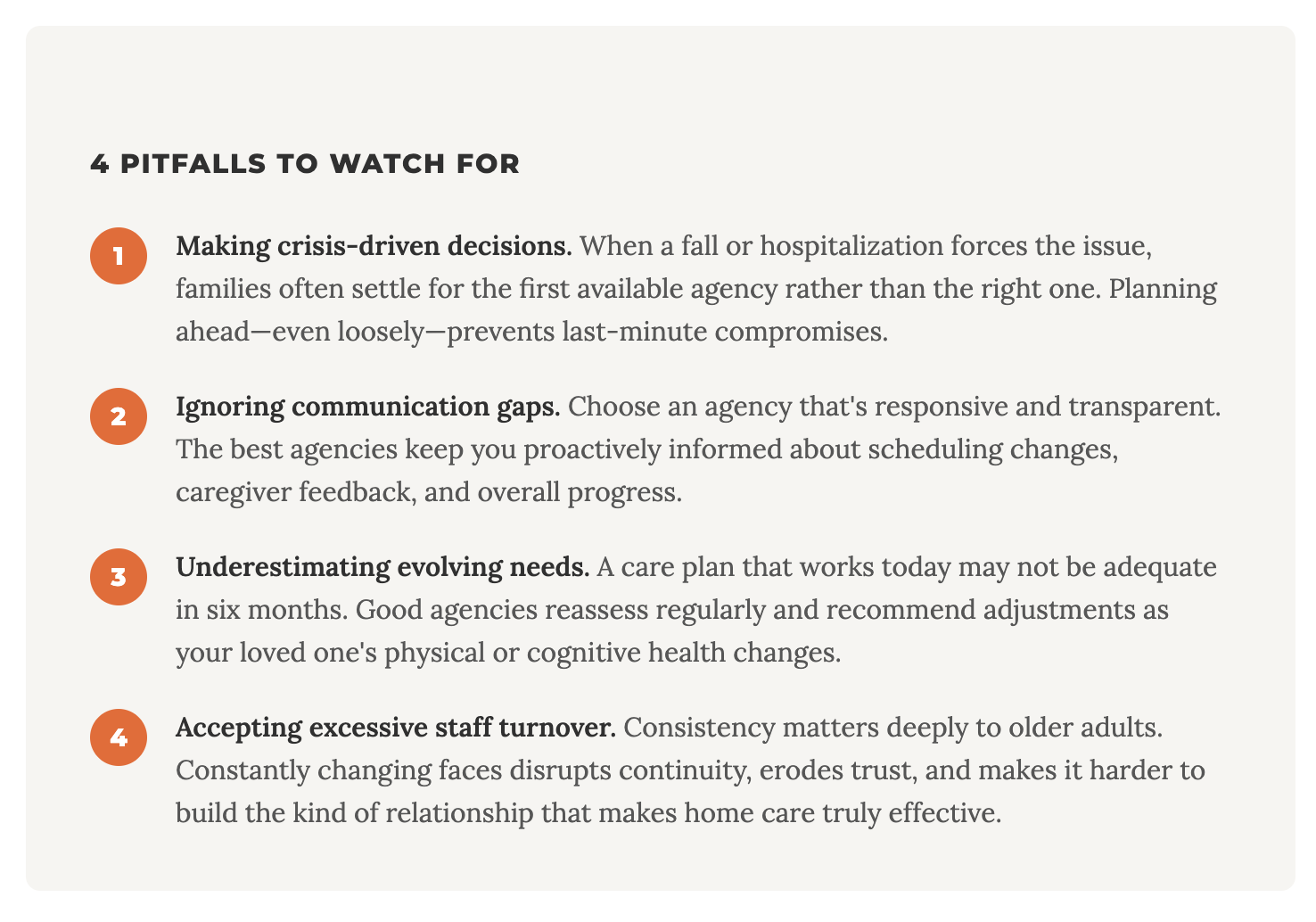
Common Pitfalls to Avoid
Choosing the wrong agency—or making a rushed decision—can create significant problems down the road. These are the mistakes families most commonly make:
Ongoing Monitoring: Your Role Doesn’t End at Hiring
Even after arranging home care, your involvement as a family caregiver remains essential. Here are the most important ways to stay engaged:
- Regular check-ins with both your loved one and the caregiver. Weekly conversations surface concerns early—before they become significant problems.
- Update the care plan as needs evolve. If mobility declines or dementia progresses, additional hours, different scheduling, or specialized techniques may be needed.
- Monitor your own well-being. Family caregivers frequently experience their own health declines. Even with professional help in place, you may still be doing more than you realize. Don’t postpone your own medical care.
📋 Questions about getting started or what to expect? Browse our main FAQ page for guidance on timing, costs, and how to navigate difficult conversations with a resistant loved one.
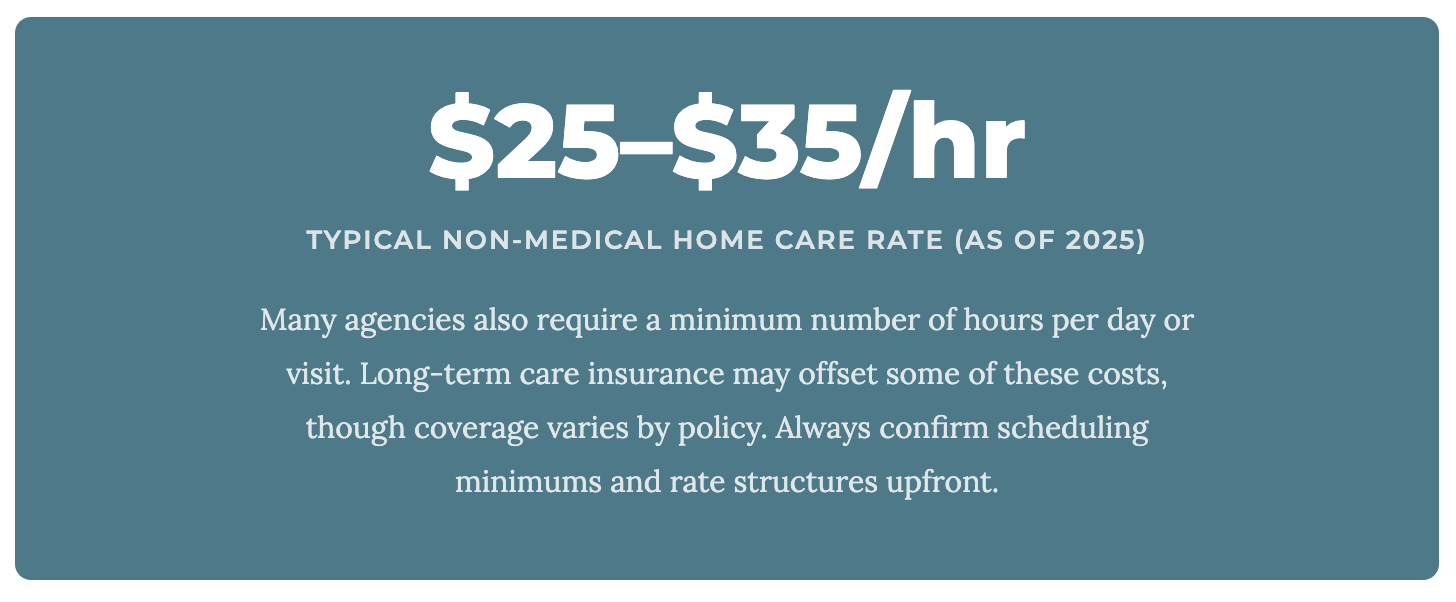
What to Know About Costs
Five Key Takeaways
From understanding provider types to approaching a reluctant loved one, choosing the right home health agency requires preparation and open communication. Here’s what to carry forward:
- Know the different provider types. Skilled care, non-medical personal care, and specialized services serve fundamentally different needs—don’t assume one size fits all.
- Communicate early and often. Don’t wait for a crisis. Open, honest conversations about in-home care help avoid both resistance and rushed decisions.
- Emphasize independence, not loss. Show how professional support allows your loved one to retain autonomy—rather than framing it as something being taken away.
- Plan ahead to avoid pitfalls. Research agencies now. Ask about staff turnover rates and communication practices before you sign anything.
- Stay involved after care begins. Regular check-ins, ongoing care plan updates, and monitoring your own stress are all part of a successful long-term arrangement.
📋 Need support managing the move itself? Silver Solutions specializes in senior moves to assisted living—handling everything from downsizing and packing to setting up the new home. See our Senior Move Management service page or browse our FAQ for details.



Click or Call
Speak to a Specialist
You Don’t Have to Navigate This Alone
Finding and managing in-home care for an aging loved one is one of the most demanding things a family caregiver can take on. The terminology is confusing, the options are many, and the stakes are high. But you don’t have to figure it all out on your own.
At Silver Solutions, we work alongside families at every stage—from making a home safer for in-home care, to downsizing and relocating when the time comes. We’ve helped thousands of families make confident, informed decisions, and we’re ready to help yours too.
- Free virtual home safety consultations to prepare your home for in-home care
- Decluttering and safe living modifications that reduce caregiver burden
- Senior move management when relocation eventually becomes the right choice
- Compassionate, judgment-free support throughout every transition
🎙 Want to go deeper on this topic?
Watch the Age Wise Podcast on Assisted Living →
Download the Full Age Wise Guide — Chapter 4
Get the complete Age Wise: Finding the Right Home Health Agency chapter as a PDF—including the agency comparison guide, pitfalls checklist, and conversation strategies.