
Falls are the leading cause of fatal and nonfatal injuries among older adults—and preparation can make all the difference.
Few things are more terrifying for a caregiver than the possibility of a loved one experiencing a fall. And for good reason. Falls are the leading cause of both fatal and nonfatal injuries among older adults—a critical issue that can transform someone’s life in an instant. That’s exactly why we’ve dedicated the very first chapter of our Age Wise guide to this topic.
A fall doesn’t just cause immediate physical harm. It can trigger a cascade of events that impact independence, confidence, and long-term health. The emotional and psychological toll—on both the person who falls and the family member caring for them—can be devastating and long-lasting.
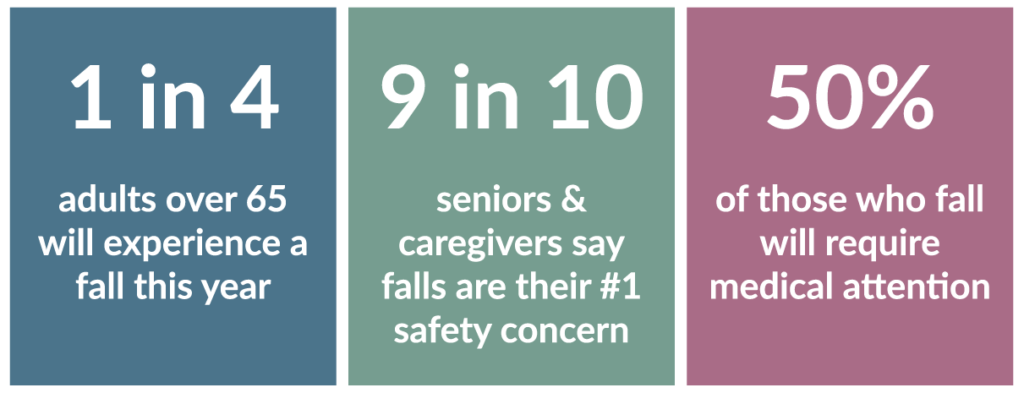
Source: Silver Solutions Family Caregiver Survey & CDC
Understanding the Stark Reality of Falls
The true severity of falls often goes unnoticed until it happens to someone we love. The CDC reports that one in four adults over 65 will experience a fall this year—and nearly half of those will require medical attention.
It’s crucial to understand that a fall is not just a minor mishap. It can swiftly turn an active, independent person into someone who struggles with basic daily activities. For many, it marks the beginning of a decline that is difficult to reverse.
“A fall can trigger a downward spiral, turning a single misstep into a life-changing event. The physical injuries are often just the beginning.”
Kim & Damien’s Story
At 51, Kim had built a successful career as a marketing executive—but her most important role was being a daughter and caregiver to her 88-year-old father, Damien. He was still driving and living independently, but clutter had quietly accumulated: old newspapers, magazines, and stacks of clothing. Kim knew it was becoming dangerous, but every time she raised the issue, Damien brushed her off with a smile and a reassuring, “I’m fine, sweetheart.”
Then came the night everything changed. Damien tripped over a pile while making his way to the bathroom in the dark, breaking his ankle. He lay there helpless for nearly 12 hours before Kim found him. The delay in getting help made his recovery far harder than it needed to be.
Sadly, stories like Kim and Damien’s are all too common. Something as simple as a cluttered room can lead to life-changing consequences. Kim wishes she had pushed harder—and had those tough conversations earlier, before it was too late.
The Critical Minutes After a Fall
The moments immediately following a fall are critical. Without prompt help, a simple accident can become a full-blown emergency. Dehydration, pressure sores, and life-threatening complications like blood clots can develop within hours if your loved one is left unattended.
This is why being prepared is non-negotiable. Medical alert systems or fall-detection devices can literally be lifesaving, ensuring help is available even when no one else is home. If your loved one lives alone, a wearable alert system is one of the most important investments you can make.
💡 Have questions about home safety assessments? Our Safe Living Solutions FAQ covers the most common concerns families face—from identifying hazards to cost and timeline. You can also visit our full FAQ page for additional guidance.
Making the Home Safer
Creating a safer home environment is one of the most proactive steps you can take to reduce the risk of falls. Ideally, these steps are taken before a fall occurs—but if you’re reading this after a fall has already happened, it’s more important than ever to act quickly to prevent a repeat.
Even minor adjustments can make a significant difference. Here’s where to start:
- Declutter the space. Mail, newspapers, catalogs, and clothing often create hidden hazards. Dispose of what’s no longer needed and keep pathways clear.
- Remove area rugs and thick carpets. These create uneven surfaces that dramatically increase tripping risk—especially for anyone using a cane or walker.
- Install grab bars. Place them in showers, next to toilets, and along stairs where support is most needed. Grab bars aren’t just for the elderly—they’re useful at any age.
- Adjust bed height. The bed should allow your loved one to get in and out safely. A bed rail can provide essential additional support.
- Improve lighting. Brighten dim areas and add night lights in hallways and bathrooms. Many falls happen at night on the way to the bathroom.
Lifestyle Changes That Make a Big Difference
Physical modifications to the home are essential—but lifestyle changes matter just as much. These habits can significantly reduce your loved one’s risk of a fall:
- Exercise regularly. Strength and balance training can dramatically improve steadiness. Even gentle activities like walking help. Always consult their doctor before starting any new routine.
- Schedule regular check-ins. If your loved one lives alone, regular visits or phone calls keep them active, connected, and monitored.
- Consider Vitamin D. Adequate Vitamin D is crucial for bone health—but check with a healthcare provider before adding any supplements.
- Wear proper footwear. Well-fitting, non-slip shoes make a real difference in everyday safety. Socks on hardwood floors are a silent hazard.
The Role of Clutter in Fall Risk
Decluttering is one of the most effective—and most overlooked—fall prevention strategies. Over years of daily life, homes naturally fill with items that gradually become obstacles: excess furniture, stacks of papers, piles of clothing. What feels familiar can silently become dangerous.
Our team at Silver Solutions specializes in compassionate, senior-friendly decluttering. We understand that every item in your loved one’s home has a story, and we approach the process with care and respect. Whether the situation involves light tidying or more complex hoarding and clutter challenges, we’re here to help.
📋 Common question: “How do I know if my parent’s home is actually safe?” See our Safe Living Solutions FAQ for a detailed checklist of warning signs and what steps to take next.



Click or Call
Speak to a Specialist
You Don’t Have to Navigate This Alone
Talking about falls can be difficult—but it’s a conversation that may prevent serious injury, or worse. While falls are common, they are not inevitable. With the right precautions, many falls can be prevented entirely.
At Silver Solutions, we’ve helped thousands of families take proactive steps before a crisis hits—and we’ve been there for many more in the difficult moments after one. Whatever stage you’re at, we’re right here with you.
- Free virtual home safety consultations—no obligation
- Compassionate decluttering and organizing services
- Slip-and-fall reduction solutions including grab bars and safety upgrades
- Safety365 subscription for ongoing quarterly safety check-ins
Download the Full Age Wise Guide — Chapter 1
Get the complete Age Wise: A Sudden Fall chapter as a PDF, including the Silver Story, home safety checklist, and lifestyle tips you can reference anytime.